

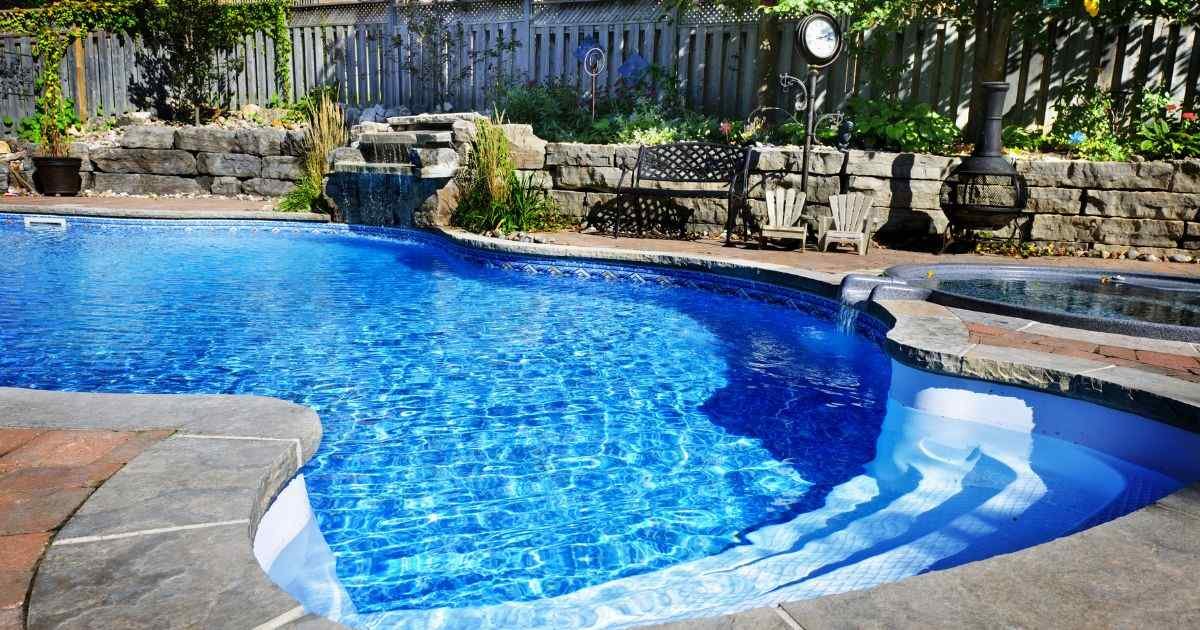
Owning a swimming pool is one of the great pleasures of homeownership, but it comes with serious responsibilities that extend well beyond maintenance and water chemistry. One of the most common questions pool owners ask is whether their homeowners insurance requires a pool fence. The short answer is: it depends on your insurer, your location, and the type of pool you have. But the longer answer involves understanding how liability coverage works, what insurance underwriters look for, and how local pool safety laws interact with your policy.
Most homeowners are surprised to discover that their insurance policy has specific language about swimming pools. Insurers treat a pool as a significant liability exposure, and many will either require certain safety measures or adjust your premiums based on what protections you have in place. A pool fence is often at the center of those requirements. Understanding what your insurer expects — and what local building codes demand — can save you from a denied claim or a canceled policy.
This guide walks through everything you need to know about pool fences and homeowners insurance, from how insurers assess risk to what types of barriers actually satisfy both legal and policy requirements.
Understanding The Link Between Homeowners Insurance And Pool Safety
Why Pools Change Your Insurance Risk Profile
A swimming pool fundamentally changes how an insurance underwriter evaluates your property. Pools introduce a category of risk that standard homes simply do not carry, and insurers price that risk accordingly. The presence of a pool can raise your liability coverage needs significantly.
Insurers view pools as high-exposure features because accidents involving water can result in catastrophic injuries or fatalities. This means your property insurance profile shifts the moment a pool is added to your home.
| Pool Feature | Risk Level | Common Insurer Response |
|---|---|---|
| No fence or barrier | High | Coverage denial or cancellation |
| Fence without self-closing gate | Medium-High | Premium increase or condition added |
| Compliant pool enclosure with gate | Medium | Standard coverage with possible discount |
| Full enclosure plus alarm and cover | Lower | Potential premium reduction |
Key Insurance Concepts: Attractive Nuisance, Liability, And Premises Safety
The legal doctrine of attractive nuisance is central to understanding why insurers care so much about pool fences. This doctrine holds that property owners can be held liable when children are injured by a dangerous feature that naturally draws their curiosity, even if those children were trespassing.
A swimming pool is the textbook example of an attractive nuisance. Child safety is not just a moral concern — it is a legal and financial one. If a neighbor’s child wanders into your yard and drowns, your liability coverage is what stands between you and financial ruin.
Premises safety standards require homeowners to take reasonable steps to prevent foreseeable harm. A pool barrier is widely considered a reasonable and necessary precaution by both courts and insurers.
Common Pool-Related Claims And How Insurers View Them
Pool accidents generate some of the most expensive insurance claims in the residential market. Drowning prevention failures, slip-and-fall incidents, and diving injuries all fall under the liability umbrella of a standard homeowners policy.
Insurers track these claims carefully. A pool accident claim can result in dramatically higher premiums at renewal or even non-renewal of your policy. Understanding how insurers view these events helps explain why they impose pool fence requirements proactively rather than waiting for a claim to occur.
When Homeowners Insurance Requires A Pool Fence
Typical Insurer Requirements For Pools And Spas
Many major insurers explicitly require a pool fence as a condition of coverage. These requirements are usually outlined in the underwriting guidelines that govern your insurance policy. Some insurers require fencing before they will even bind coverage on a home with a pool.
Common insurer requirements typically include:
- A pool enclosure or fence on all four sides of the pool
- Minimum fence height, often four feet or more
- A self-closing gate that latches from the inside
- No gaps in the barrier large enough for a child to pass through
- Separate fencing from the house perimeter in some cases
Spas and hot tubs are often subject to the same insurance requirements as full swimming pools, particularly when they are in-ground or permanently installed.
How Policy Underwriting And Inspections Influence Fence Rules
When you apply for homeowners insurance or add a pool to an existing policy, an insurance underwriter reviews your property details. In many cases, a physical pool inspection is ordered. The inspector looks for safety features including barriers, gates, alarms, and pool covers.
If your property does not meet the insurer’s standards, you may receive a conditional notice requiring you to install a compliant pool fence within a set period. Failure to comply can result in policy cancellation. Just as understanding how state pool safety regulations apply to private pools helps homeowners navigate legal obligations, understanding your insurer’s inspection criteria helps you stay covered.
Differences Between Underground, Above-Ground, And Temporary Pools
In-ground pools almost universally trigger fence requirements from both insurers and local building codes. Above-ground pools are treated differently by some insurers, particularly if the pool walls themselves are high enough to prevent easy access. However, many insurers still require a barrier around above-ground pools.
Temporary or inflatable pools present a gray area. Some insurers do not specifically address them in policy language, while others apply the same attractive nuisance logic regardless of pool type. The safest approach is to notify your insurer any time you install any type of pool on your property.
Consequences Of Not Meeting Fence Requirements
The consequences of failing to meet pool fence requirements can be severe. Your insurer may cancel your policy, deny a claim related to a pool accident, or refuse to renew your coverage at the end of the term.
A denied liability claim after a pool accident could expose you to hundreds of thousands of dollars in personal financial liability. Beyond the financial risk, operating a pool without required safety barriers may also violate local pool safety laws, compounding your legal exposure.
Role Of Local Laws, Building Codes, And HOA Rules
How State And Local Pool Safety Laws Affect Insurance Conditions
Pool safety laws vary significantly by state and municipality. Some states have comprehensive statewide pool barrier requirements, while others leave regulation entirely to local jurisdictions. Your insurer will often align its requirements with whatever local pool safety laws apply to your property.
In states with strict pool safety legislation, compliance with local law is often treated as the minimum acceptable standard by insurers. Failing to comply with local law almost certainly means failing to meet your insurer’s requirements as well.
Building Codes, Barrier Standards, And Gate Specifications
Local building codes typically specify fence height requirements, acceptable materials, maximum gap sizes, and gate specifications. A self-closing gate with a self-latching mechanism is a near-universal requirement under modern pool barrier codes.
Common code specifications include:
- Fence height of at least four feet, with many jurisdictions requiring five or six feet
- Maximum vertical gaps of four inches between fence slats
- Gates that open outward away from the pool
- Latches positioned on the pool side of the gate, out of a child’s reach
- No climbable horizontal rails on the pool side of the fence
Meeting these specifications satisfies both the legal requirement and the typical insurer requirement simultaneously.
Impact Of HOA And Community Rules On Your Coverage
If your home is in a community governed by a homeowners association, HOA rules add another layer of requirements. HOAs often have their own pool enclosure standards that may be stricter than local building codes. Failing to comply with HOA rules can result in fines and may also affect your insurance standing.
Some HOA agreements require homeowners to carry minimum levels of liability coverage for pools. Reviewing your HOA documents alongside your insurance policy ensures you are not caught between conflicting requirements.
Coordinating With Insurers When Regulations Conflict
Occasionally, local building codes and insurer requirements conflict. For example, a local code may permit a three-sided barrier using the house wall as the fourth side, while your insurer requires a four-sided independent fence. In these cases, the insurer’s requirement takes precedence for coverage purposes.
Contact your insurer directly when you encounter conflicting requirements. Get any agreements or exceptions in writing. Your insurance agent can often help mediate between what local law requires and what your policy demands.
Practical Guidance For Homeowners With A Pool
How To Find Out If Your Policy Requires A Pool Fence
Start by reading your current homeowners insurance policy carefully. Look for sections on liability coverage, exclusions, and any endorsements related to pools or recreational equipment. Many policies include a specific swimming pool addendum.
If the language is unclear, call your insurance agent and ask directly whether your policy requires a pool fence and what specifications it must meet. Document the conversation and ask for written confirmation of the requirements.
Choosing A Compliant Fence: Types, Materials, And Design
Several fence types satisfy both insurance requirements and local building codes. The most common options include:
- Aluminum or wrought iron fencing with vertical pickets
- Mesh safety fencing designed specifically for pool enclosures
- Vinyl privacy fencing that meets height and gap requirements
- Glass panel fencing for aesthetic appeal with full compliance
Mesh pool fences are particularly popular because they are removable, affordable, and specifically engineered to meet pool barrier standards. Whatever material you choose, verify that the design meets your local fence height requirements and insurer specifications before installation.
Additional Safety Measures That Can Affect Premiums
A pool fence is the baseline, but additional safety measures can further reduce your insurance premium and your liability exposure. Insurers often look favorably on homeowners who go beyond the minimum requirements.
Consider adding:
- A pool cover rated for safety, not just debris protection
- Pool alarms that detect unauthorized entry into the water
- Door alarms on any house doors that open directly to the pool area
- Security cameras covering the pool enclosure
- Umbrella insurance to extend liability coverage beyond standard policy limits
Umbrella insurance is especially worth considering for pool owners. It provides an additional layer of liability coverage that kicks in when your standard policy limits are exhausted.
Documenting Compliance And Communicating With Your Insurer
Once your pool fence is installed, document everything. Take photographs of the completed installation from multiple angles, including close-ups of the gate latch and self-closing mechanism. Keep copies of any permits, inspection reports, and contractor invoices.
Send this documentation to your insurer proactively. Confirm in writing that your pool enclosure meets their requirements. This creates a clear record that protects you if a claim is ever disputed. Staying organized and communicative with your insurer is one of the simplest ways to protect your coverage.
Conclusion
Homeowners insurance does not universally require a pool fence in every situation, but the vast majority of insurers either require one explicitly or strongly incentivize installation through premium adjustments and coverage conditions. The combination of attractive nuisance liability, local pool safety laws, and insurer underwriting standards makes a compliant pool fence essentially non-negotiable for most pool owners who want reliable coverage.
The smartest approach is to treat your pool fence as a foundational safety investment rather than a regulatory checkbox. It protects children, reduces your liability exposure, satisfies your insurer, and may even lower your insurance premium over time.
FAQ
Can my homeowners insurance be canceled if I do not have a pool fence?
Yes. If your insurer requires a pool fence as a condition of coverage and you fail to install one after being notified, they have grounds to cancel your policy. Many insurers conduct pool inspections and issue compliance deadlines. Missing those deadlines puts your coverage at serious risk.
Will installing a pool fence lower my homeowners insurance premium?
It can. While a pool fence alone may not automatically trigger a discount, it demonstrates responsible risk management that insurers value. Combined with other safety measures like a pool cover, alarms, and umbrella insurance, a compliant pool enclosure can contribute to lower premiums or better renewal terms.
Does a portable or inflatable pool trigger the same fence requirements as a permanent pool?
Not always, but the risk is similar. Some insurers apply attractive nuisance standards to any body of water on your property regardless of permanence. Always notify your insurer when you set up any type of pool, and ask specifically whether their pool fence requirements apply. Assuming a portable pool is exempt without confirming it could leave you without coverage after a pool accident.