

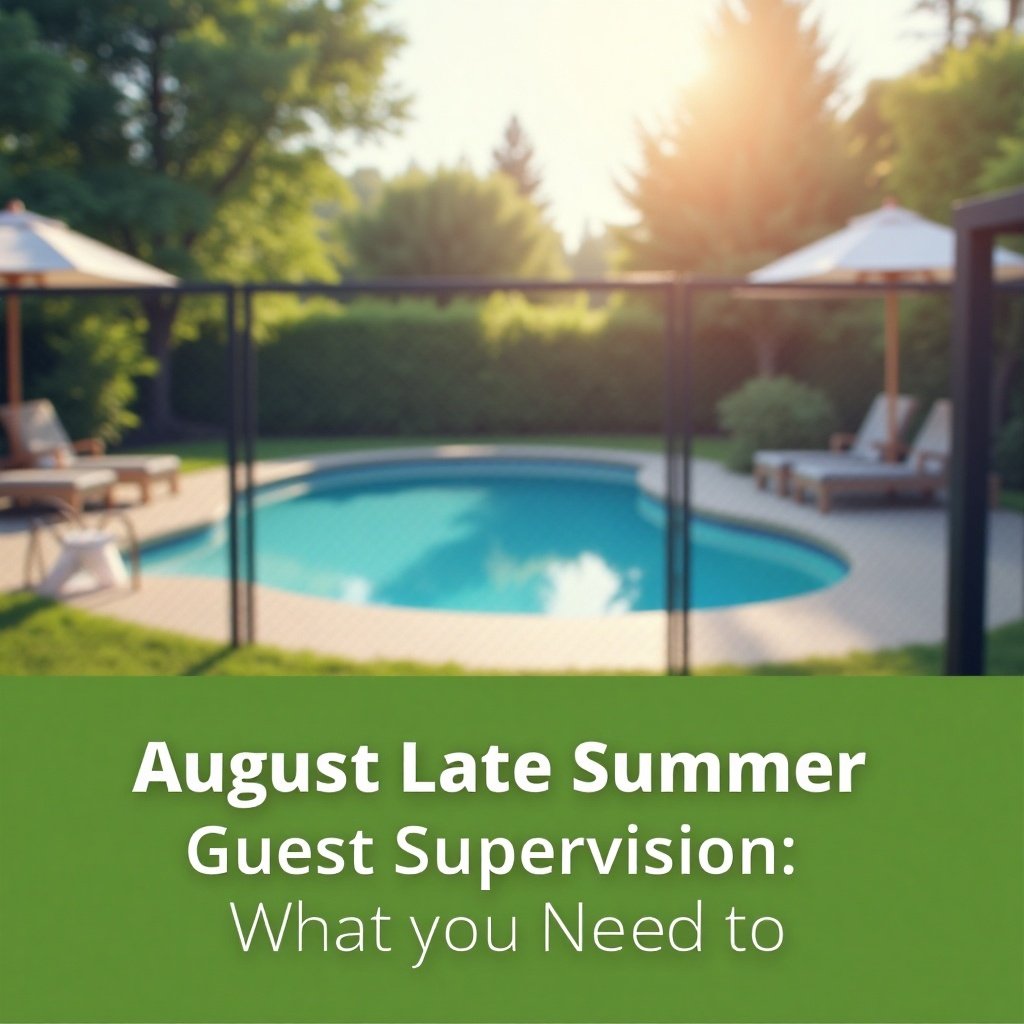
Late summer hosting carries a unique energy. The heat is still intense, school schedules are shifting, and guests seem to arrive with a mix of vacation-mode relaxation and end-of-season urgency. Whether you’re managing a backyard gathering, hosting family for an extended stay, or overseeing a vacation rental property in August, the dynamics of guest supervision during this season deserve serious attention.
August late summer guest supervision isn’t just about being a good host. It’s about creating a safe, enjoyable environment while protecting your property, your relationships, and your own peace of mind. The combination of outdoor events, pool access, children running freely, and longer daylight hours creates a setting where small oversights can quickly become big problems.
This guide walks you through everything you need to know, from understanding seasonal guest behavior to handling difficult conversations with grace. You’ll find practical hospitality guidelines, supervision strategies, and communication tools that work in real life, not just in theory.
Understanding August Late Summer Guest Dynamics
Seasonal Factors That Shape Late Summer Visits
Late summer gatherings carry a distinct atmosphere that differs from early summer entertaining. Guests arrive with a sense of urgency, knowing the season is winding down. This creates a “last hurrah” mentality that can push boundaries around noise, schedules, and house rules.
Heat safety becomes a genuine concern during August outdoor events. High temperatures affect mood, energy levels, and decision-making, which means both hosts and guests may be more irritable or impulsive than usual.
| Guest Factor | Late Summer Impact | Host Response |
|---|---|---|
| Heat and humidity | Fatigue, irritability | Provide shade, hydration stations |
| School transitions | Rushed timelines | Confirm departure dates early |
| End-of-summer mindset | Relaxed rule-following | Reinforce expectations clearly |
| Outdoor activity demand | Pool and yard overuse | Set usage schedules |
Seasonal hosting requires you to anticipate these patterns rather than react to them. Planning ahead based on late summer realities makes the entire experience smoother for everyone involved.
Common Types of Guests During Late Summer
Late summer brings a predictable mix of guest types. Knowing who’s likely to show up helps you tailor your guest management approach before anyone arrives.
- Extended family members squeezing in one final summer visit
- Friends planning end-of-summer parties or backyard gatherings
- Families with children seeking outdoor activities before school resumes
- Vacation rental guests looking for a relaxed August escape
- Out-of-town visitors combining leisure with lingering summer plans
Each guest type brings different expectations and supervision needs. Families with young children require active child supervision and pool safety protocols. Vacation rental guests need clear guest policies communicated upfront.
Understanding your guest profile before they arrive is one of the most underrated summer hosting tips available. It shapes every decision you make, from food planning to outdoor supervision strategies.
Balancing Host Priorities With Guest Expectations
Hosts often feel pressure to be endlessly accommodating during late summer gatherings. That pressure can lead to exhaustion, resentment, and avoidable conflicts. Your comfort and boundaries matter just as much as your guests’ enjoyment.
Effective guest supervision starts with honest self-assessment. Know your limits around noise, shared spaces, and overnight stays before guests arrive. Communicate those limits clearly and early.
Summer entertaining works best when both parties feel respected. Guests who understand your priorities are far more likely to follow house rules and contribute positively to the experience.
Planning and Preparing for Late Summer Guests
Setting Boundaries, Schedules, and House Rules
Clear guest behavior guidelines prevent most conflicts before they start. Don’t wait until a problem arises to explain your expectations. Share your house rules in advance, either verbally or in writing, depending on the relationship.
- Quiet hours for overnight stays
- Pool access rules and supervision requirements
- Kitchen and shared space usage policies
- Pet interaction guidelines if animals are present
- Parking and outdoor area boundaries
Guest policies aren’t about being controlling — they’re about creating a framework where everyone can relax. When expectations are clear, guests feel more comfortable and hosts feel less anxious.
For property managers and vacation rental hosts, written guest safety protocols are non-negotiable. They protect you legally and set a professional tone from the start.
Creating Comfortable, Weather-Appropriate Spaces
August heat demands thoughtful space preparation. Outdoor events need shade structures, fans, and accessible hydration. Indoor spaces should be cool, well-ventilated, and stocked with essentials guests might need during their stay.
If your property includes a pool, heat safety and pool safety go hand in hand. Proper fencing is a critical component of responsible outdoor supervision. Many hosts don’t realize that homeowners insurance policies may actually require a pool fence as a condition of coverage, making this a legal and financial concern, not just a safety preference.
Comfortable sleeping arrangements matter too. Late summer nights can still be warm, so ensure guest rooms have adequate airflow and cooling options. Small details like blackout curtains and extra fans go a long way.
Food, Activities, and Local Experiences for Late Summer
Summer party planning in August should lean into the season’s strengths. Fresh produce is abundant, outdoor dining is still viable in the evenings, and local events often peak during this period.
- Plan meals around seasonal ingredients like corn, tomatoes, and stone fruits
- Organize morning outdoor activities before peak heat hours
- Research local end-of-summer events, markets, and festivals
- Offer indoor alternatives for the hottest parts of the day
- Keep snacks and cold beverages readily accessible throughout the day
Summer activities don’t need to be elaborate to be memorable. Guests appreciate thoughtful planning over expensive gestures. A well-organized backyard gathering with good food and clear logistics beats a chaotic, poorly managed event every time.
Day-to-Day Supervision and Hospitality Practices
Welcoming Routines and Orientation for Guests
The first hour of a guest’s arrival sets the tone for the entire visit. A brief, friendly orientation covers the basics without feeling like a lecture. Walk guests through the space, point out key amenities, and mention any house rules naturally in conversation.
Hospitality guidelines suggest that hosts who communicate expectations warmly and early experience far fewer conflicts. Guests feel respected when they’re informed rather than surprised by rules mid-stay.
A simple welcome packet or printed house guide works especially well for vacation rentals or longer overnight stays. It gives guests a reference point without requiring repeated conversations about the same topics.
Supervising Children, Pets, and Shared Outdoor Areas
Child supervision during late summer gatherings requires active attention, not passive oversight. Children move quickly, especially around pools, outdoor grills, and unfamiliar spaces. Designate a responsible adult for pool supervision at all times when children are swimming.
Pool safety is one of the most critical aspects of August late summer guest supervision. If your pool area lacks proper fencing, addressing that gap before guests arrive is essential. Understanding ASTM F2286 certified removable mesh fencing standards can help you choose a solution that meets safety requirements without permanently altering your property.
Pets add another layer of outdoor supervision responsibility. Not all guests are comfortable around animals, and not all pets behave predictably around strangers. Establish clear pet boundaries and communicate them before guests arrive.
Managing Noise, Privacy, and Overnight Stays
Overnight guests change the dynamic of any home. Privacy becomes a shared resource, and noise management becomes a daily negotiation. Setting quiet hours upfront prevents awkward late-night conversations.
Guest management during multi-night stays requires consistent, gentle reinforcement of boundaries. If a guest is consistently loud after quiet hours, address it directly and early rather than letting frustration build.
Shared outdoor areas like patios, pools, and yards need usage schedules during busy late summer gatherings. When multiple guests or families share a space, clear time blocks prevent overlap and reduce tension.
Handling Challenges, Conflicts, and Diverse Perspectives
Navigating Cultural Differences and Social Norms
Late summer gatherings often bring together guests from different backgrounds, regions, or cultural traditions. What feels like a reasonable house rule to one person may seem unnecessarily strict to another. Approach these differences with curiosity rather than judgment.
Summer entertaining across cultural lines requires flexibility and clear communication. Some guests may have different norms around mealtimes, noise levels, or shared spaces. Acknowledging these differences openly prevents misunderstandings.
Guest behavior guidelines should be framed around the needs of the space and the safety of everyone present, not personal preferences. That framing makes rules feel fair and universal rather than targeted.
Addressing Overstaying, Rule-Breaking, and Safety Concerns
Overstaying guests are one of the most common challenges in seasonal hosting. The end of August creates particular pressure, as guests may delay departure to extend their summer. Address this by confirming departure dates at the start of the visit, not at the end.
- Confirm arrival and departure dates in writing before the visit begins
- Gently reference the agreed timeline if a guest hints at extending their stay
- For vacation rentals, enforce check-out policies consistently and professionally
- Document any property damage or rule violations promptly
Safety concerns require immediate, direct action regardless of the social discomfort involved. If a guest is ignoring pool safety rules, endangering children, or creating hazardous situations, address it immediately. No hospitality guideline outweighs the responsibility to keep people safe.
Communication Strategies for Difficult Conversations
Difficult conversations are inevitable in guest supervision. The goal isn’t to avoid them but to handle them with clarity and respect. Lead with the impact of the behavior rather than a personal critique of the guest.
Use specific, observable language. Instead of saying a guest is being inconsiderate, describe the specific behavior and its effect on others. This approach reduces defensiveness and keeps the conversation productive.
Event planning and guest management both benefit from a communication style that is direct without being harsh. Practice your key points beforehand if needed, and choose a calm, private moment to address sensitive issues.
Conclusion
August late summer guest supervision is a skill that combines practical planning, clear communication, and genuine hospitality. The season brings unique pressures, from heat safety and pool supervision to end-of-summer emotions and shifting schedules. Hosts who prepare thoughtfully and communicate clearly create experiences that guests remember positively.
Effective guest management isn’t about controlling people. It’s about creating a structure where everyone, host and guest alike, can enjoy the final weeks of summer without unnecessary stress or conflict. Apply these strategies consistently, and late summer hosting becomes something you look forward to rather than dread.
FAQ
How can I set clear expectations for late summer guests without seeming rude?
Frame your house rules as helpful information rather than restrictions. Share them early, ideally before arrival, and present them warmly. Most guests appreciate knowing the guidelines upfront because it removes guesswork. A simple message or printed welcome guide communicates expectations without creating an awkward in-person conversation.
What are effective ways to supervise children and teens during late summer gatherings?
Assign specific adults to active supervision roles, especially near pools and outdoor areas. Establish clear boundaries around which spaces children can access independently. For teens, set expectations around noise, curfews, and pool safety rules directly. Outdoor supervision works best when responsibilities are shared and clearly assigned rather than assumed.
How should I respond if a guest repeatedly ignores house rules in August?
Address it directly and privately after the first or second incident. Use calm, specific language describing the behavior and its impact. If the behavior continues, remind the guest of the agreed-upon guest policies and, if necessary, discuss whether the visit should be shortened. Consistent, respectful enforcement is more effective than repeated warnings without consequences.